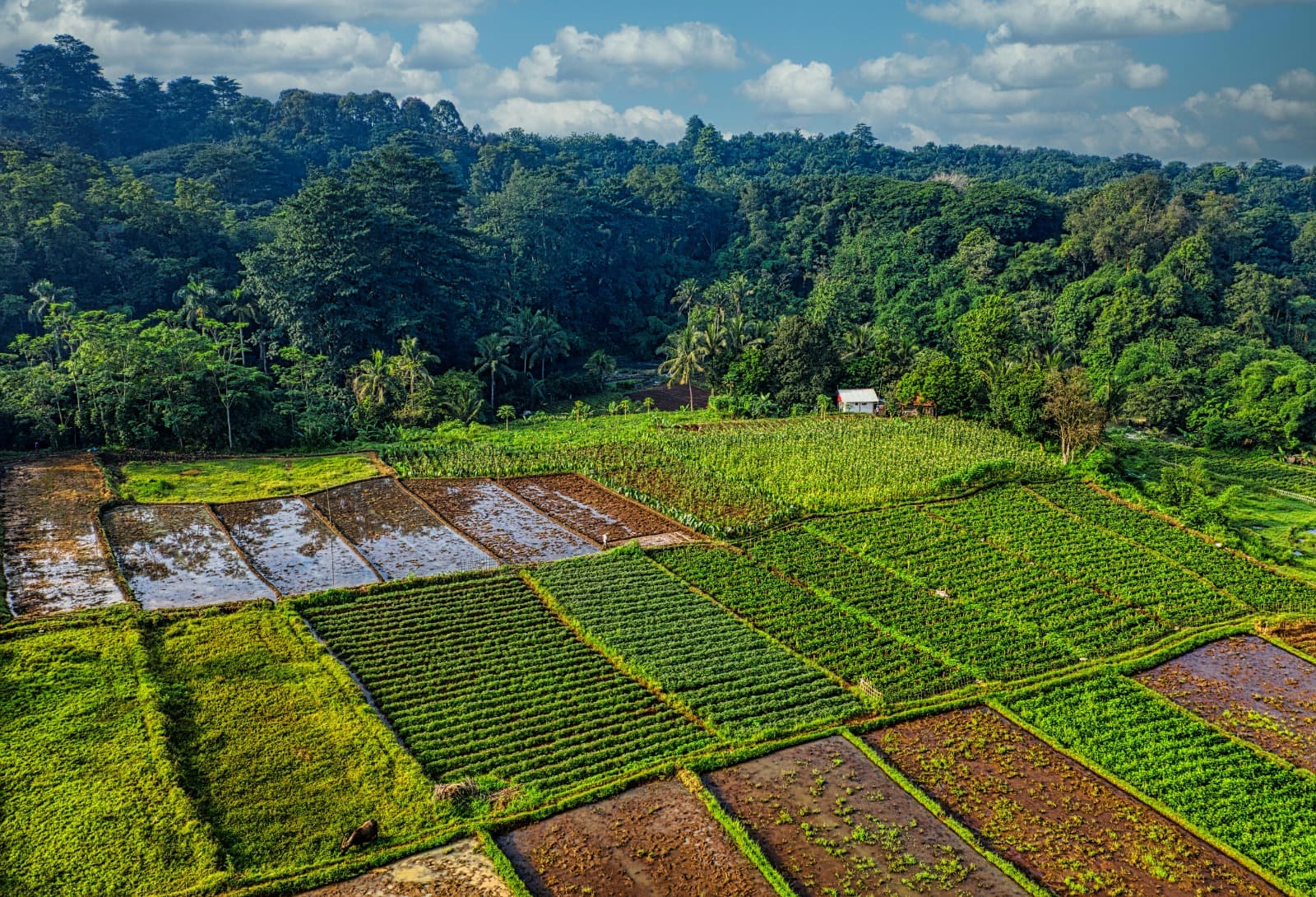
Redesigning Africa’s Agricultural Systems for climate resilience & Food Security
The urgency is real and immediate.
Four compounding crises are converging across Africa's agricultural sector. Each one demands structured, scalable intervention now.
~40%
below potential yield
Farm Productivity Remains Persistently Low
Despite fertile soils and vast arable land, most African farms operate far below their productive potential. Without structured systems, technical support, and standardized practices, yields stagnate and so do livelihoods.
600M+
smallholders underserved
Farmers Trapped in Low-Income Cycles
Smallholder farmers remain locked in subsistence cycles with no clear pathway to profitability. Lack of market access, financial literacy, and investment readiness keeps generations of farming families from building real wealth.
< 5%
tech adoption rate
Technology Exists But Adoption is Limited
The tools to transform African agriculture already exist - precision monitoring, digital farm management, and data-driven decision-making. Yet adoption remains critically low due to cost barriers, capacity gaps, and a lack of structured support.
3×
more climate vulnerable
Climate Shocks Increasingly Erode Farm Incomes
African farmers are among the most exposed to climate volatility yet the least equipped to absorb it. Unpredictable rains, drought cycles, and extreme weather events are wiping out harvests and reversing hard-won gains in farm productivity.
These aren't isolated challenges , they reflect a deeper system failure
The Future Farms Initiative was designed to address these gaps at their root, providing structured support and a long-term pathway for farmer transformation.
Three Truths About Africa's Food Future
Every initiative we run is anchored in these realities.
2.5B
people to feed by 2050
Food security is urgent.
↑ 3×
productivity potential with tech
Improved Productivity & efficiency is the fastest path to feeding more.
65%
of arable land underutilized